Should You Recommend a Soundproof Room to HSPs? Leveraging Sensitivity in Quiet Spaces (Japan Guide)
For highly sensitive persons (HSP) with auditory sensitivity, is a soundproof room truly effective? Learn how much more noise-sensitive HSPs are, how to assess sound priorities, rental vs. ownership trade-offs, sleep solutions, and deep focus benefits—adapted for Japan's quiet room options.
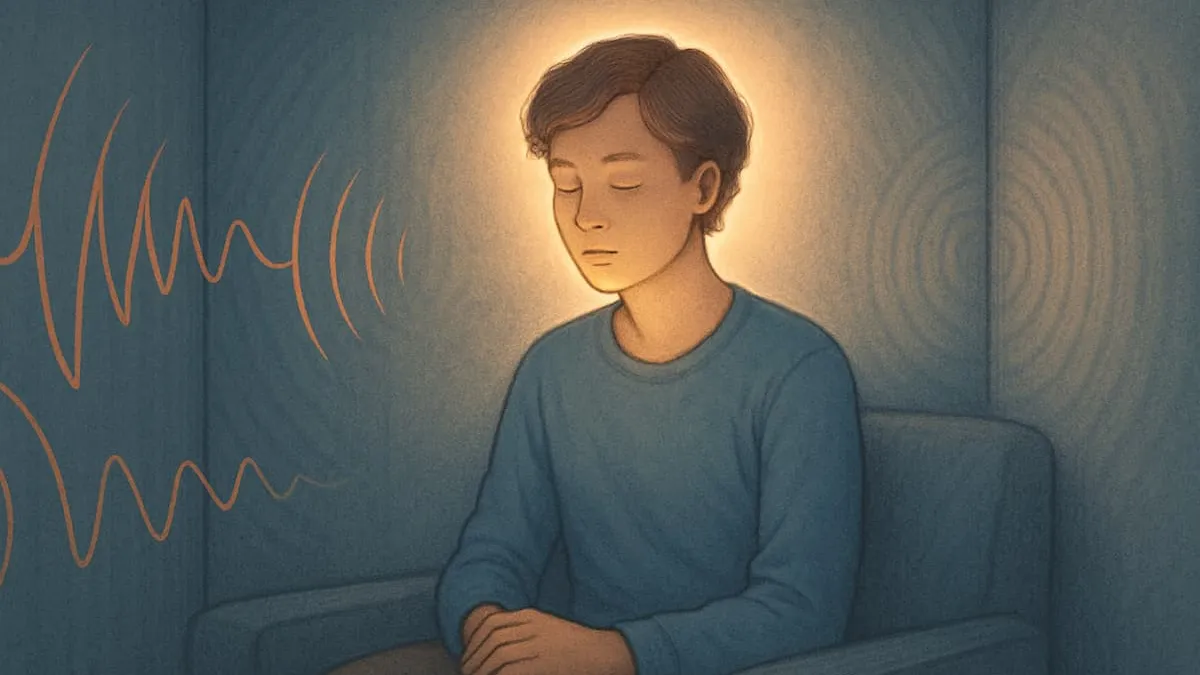
For those with HSP (Highly Sensitive Person) traits and auditory sensitivity: Are you exhausted by noise others ignore?
“Normal people don’t seem bothered, but I notice every sound.” “I wake multiple times and can’t fall back asleep.” “I’m constantly monitoring ambient noise.”
For HSP individuals, a soundproof room can be genuinely life-transforming.
This article explores what HSP individuals with auditory sensitivity should know before adopting soundproof room solutions.
HSP Auditory Sensitivity: How Acute Is It?
First, understanding HSP auditory processing helps frame solutions.
Brain Differences: Same Sound, Different Neural Response
HSP brains process stimuli more deeply than typical nervous systems:
- You detect not just volume but subtle acoustic shifts
- The same sound triggers stronger emotional reactions
- Unpleasant sounds loop in memory repeatedly
Result: identical decibel levels feel “louder” to HSP individuals.
Real Examples of Triggering Sounds
Common HSP noise complaints:
- Neighbor footsteps: shuffling, dragging furniture
- Clock ticking: constant rhythmic sound
- Refrigerator hum: low-frequency drone
- Outside traffic: engine noise, horns
- Household sounds: door closes, toilets, voices
Non-HSP people might ignore these; for HSP individuals, they become sleep-disrupting and focus-breaking serious problems.
3 Reasons Soundproof Rooms Benefit HSPs
Why are soundproof rooms so valuable for HSP individuals?
1. Freedom From Constant “Sonic Monitoring”
Stepping into a soundproof room instantly reduces external stimuli.
Constant “sound surveillance” fatigue disappears.HSP people unconsciously monitor ambient sound. “What’s that noise? Will something unpleasant come next?”—that background anxiety.
Inside a soundproof room, that surveillance stops. True mental rest arrives.
2. Sleep Quality Transforms
Many HSP individuals suffer from light sleep.
A tiny sound wakes you; falling back asleep takes hours. Next day: exhaustion persists.
Soundproof room sleep reverses this. Deep sleep becomes possible—and deep sleep improves overall life quality dramatically.
3. Deep Focus & Flow States Become Accessible
HSP individuals often struggle with sound-based interruptions destroying concentration.
In a soundproof room, focus-breaking noises vanish. Result: work and creative pursuits reach new depth; productivity jumps.
HSP Soundproof Room Selection: Key Considerations
However, simply choosing any soundproof room won’t guarantee success. Several factors matter.
Audit Your Most-Triggering Sounds
Soundproof rooms reduce but don’t eliminate all noise. Plus, the room itself has sound sources.
Common issues:
- AC noise: small units can seem loud to sensitive ears
- Vibration transfer: lower-floor sounds transmit as vibrations
- Ventilation: fresh-air systems create faint noise
Before purchase, clearly identify which sounds bother you most.
Match Room Size to Purpose
Soundproof room sizes vary:
- 0.8 tatami: online meetings, guitar
- 1.2 tatami: drum practice, streaming
- 1.5+ tatami: multi-person practice, dance
For HSP individuals seeking deep focus, minimum 1.2 tatami recommended. Confined spaces themselves can become stressful for sensitive types.
Soundproof Room vs. Soundproof Rental Home: Which for HSPs?
HSP individuals sometimes benefit more from soundproof rental homes than standalone rooms.
When Rooms Are Better:
- Rental home; landlord won’t permit installation
- Sufficient sleep/work acoustic isolation from room alone
- No relocation planned
When Soundproof Rentals Are Superior:
- Want acoustic refuge 24/7 (not just room-based)
- Planning to move
- Multiple rooms need quiet (bedroom + office)
- All HSP family members affected
For HSP individuals, soundproof rental homes are often optimal because you’re never outside a calm acoustic environment.
HSP Sleep Protection: Non-Room Approaches
Alternatives to soundproof rooms exist:
High-Quality Earplugs
Reduce sound somewhat, but incomplete—HSP individuals often find this insufficient.
White Noise/Environmental Audio
Counter-intuitively, constant low-frequency background noise masks disruptive variable sounds.
Examples:
- Fan drone
- River/stream sounds
- Rain recordings
This “acoustic masking” cancels unpleasant sound without relying on earplugs.
Sleep Masks With Audio Components
Emerging products combine eye masks + built-in earpads. Minor sound reduction; major acoustic benefits not guaranteed.
Transform HSP Sensitivity Into Asset Within Soundproof Rooms
HSP auditory sensitivity is undeniably a daily-life handicap.
But within a soundproof room, sensitivity becomes a superpower.Examples:
- Audio production: keen sound perception = mixing excellence
- Writing/research: deep focus = high output
- Meditation: silence permits profound introspection
A soundproof room isn’t just noise mitigation—it’s an environment that leverages HSP strengths.
Conclusion: HSP Individuals Gain Real Value From Soundproof Rooms
For HSP individuals with auditory sensitivity, soundproof rooms can be genuinely transformative.
Complete silence isn’t realistic, but acoustic stress drops dramatically:
- Sleep improves
- Focus deepens
- Mental spaciousness emerges
Result: life quality rises across the board.
Your sensitivity—channeled correctly—becomes a profound strength. Seriously consider soundproof room adoption.