Soundproofing Wooden Apartments: 3 Realistic Steps to Zero Complaints
Living in a Japanese wooden apartment means thin walls. We explain why 'perfect soundproofing' is impossible and introduce realistic DIY methods (furniture arrangement, gap sealing) to reduce noise leakage and avoid neighbor trouble.
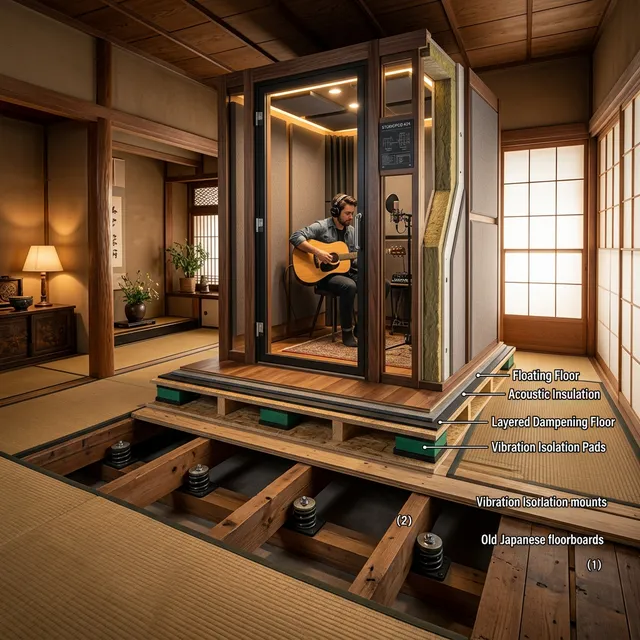
“I woke up to my neighbor’s alarm clock.” “I can’t sleep because of the footsteps upstairs.”
If you live in a Japanese Wooden Apartment (Mokuzo), these are common stories.
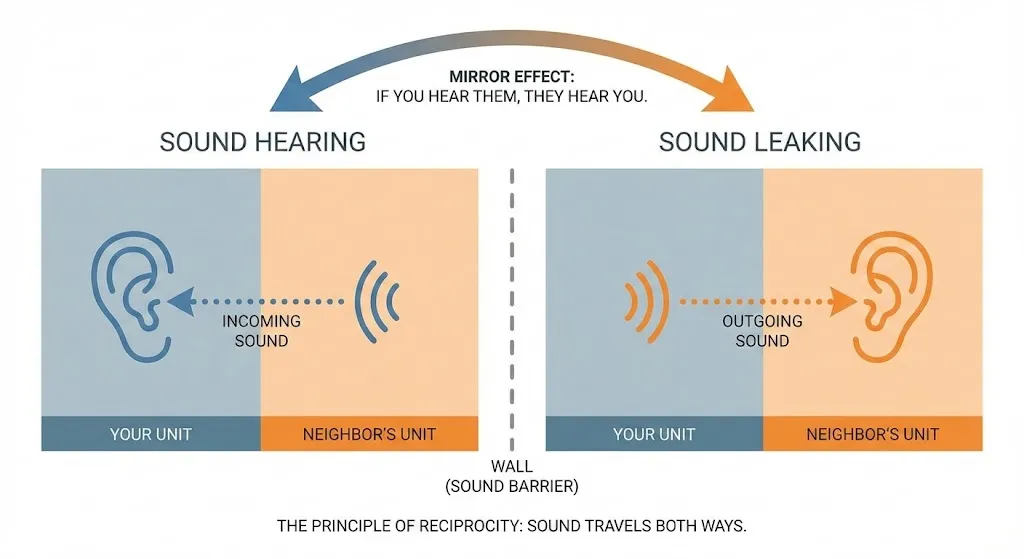
”If you can hear them, they can hear you.”Phone calls, gaming, TV, and late-night movement. Even if you think you are being quiet, the thin walls of a wooden structure let sound pass through mercilessly.
This article starts with a cruel truth: “Perfect soundproofing in a wooden apartment is physically impossible.” Accepting this is the first step. Then, we will teach you realistic, low-cost methods to reduce noise leakage to a level that won’t cause complaints.
Before you buy suspicious “soundproof wallpapers” online, read this.
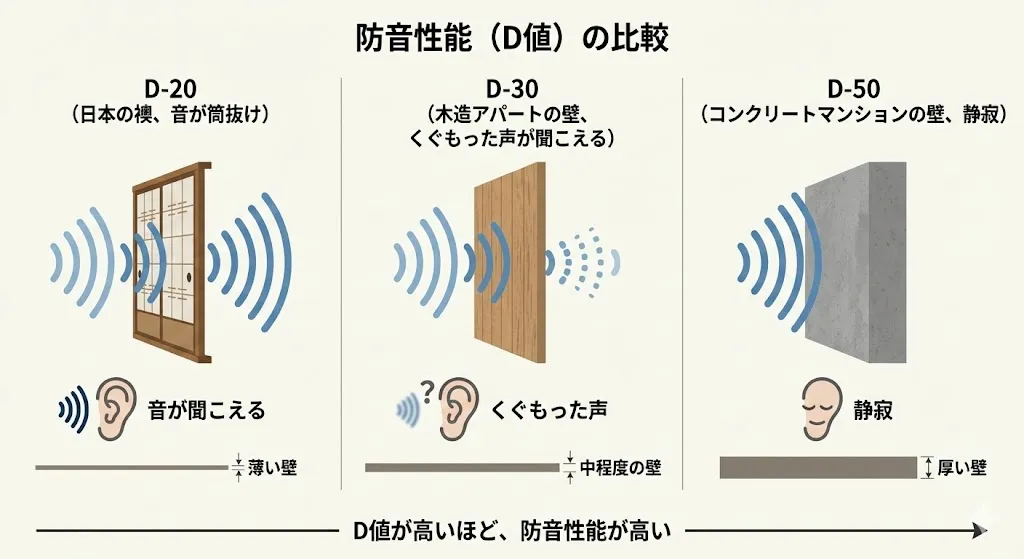
The Reality of Sound Insulation Performance (D-Value)
In terms of building standards, the sound insulation performance (D-value) of typical wooden apartment walls is around D-30 to D-40. Let’s compare this to a concrete condo (Mansion) to see just how “thin” it is.
- D-50 : Normal conversation is almost inaudible (Concrete Condo level).
- D-30 : You can hear the content of a normal conversation.
- D-20 : You can hear futons rustling (Paper sliding door level).
Essentially, wooden walls block vision but let sound pass through almost freely. Sticking a few millimeters of “foam sheet” on such walls is, unfortunately, like throwing water on a burning house.
3 “Useless” DIY Measures to Avoid
The internet is full of dubious soundproofing techniques. To avoid wasting your money and time, do NOT do the following:
1. Covering walls with thin insulation sheets
Conclusion: No effect due to lack of massTo stop “low to mid-range” sounds like speech, you need overwhelming mass (weight) on the wall. Thin sheets cannot stop sound. Worse, peeling them off when moving out often tears the wallpaper, leading to high repair fees.
2. Sticking Egg Cartons on walls
Conclusion: Urban legend levelIt looks terrible and attracts bugs due to the uneven surface. Both sound absorption and insulation effects are near zero. Absolutely avoid this.
3. Relying solely on Soundproof Curtains
Conclusion: Sound leaks freely from walls and floorsThey help with windows, but wooden structures have thin walls and ceilings too. Overconfidence (“I closed the curtains so I can scream”) is the #1 cause of trouble.
3 Physical Measures That Actually Work
To fight noise in a wooden apartment, use weapons of “Mass” and “Sealing”, not expensive goods. Here are 3 steps you can take without special construction.
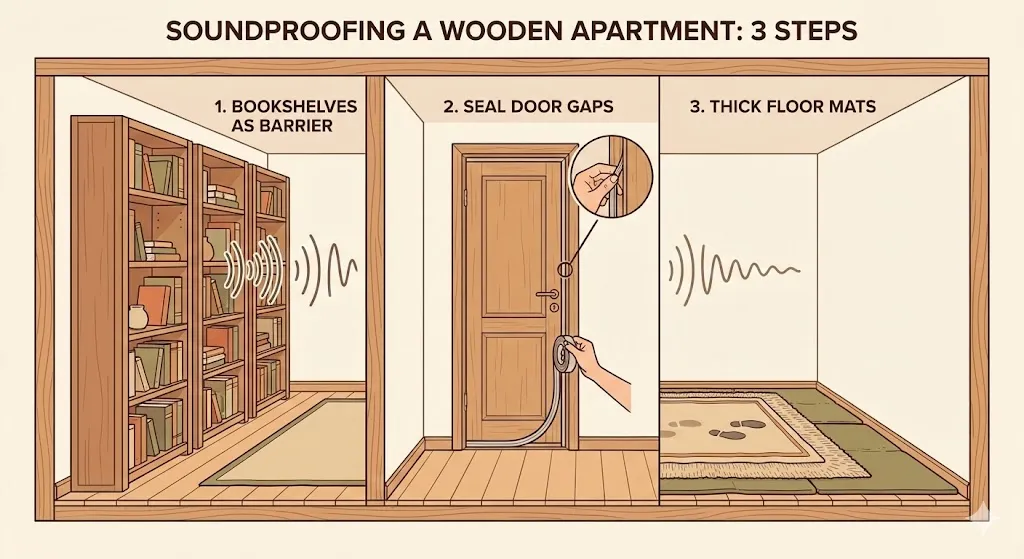
1. Furniture Layout: Thicken the Wall with Bookshelves
The most effective tactic is to line up tall bookshelves or wardrobes against the wall shared with your neighbor.
Furniture packed with books and clothes acts as an excellent “Sound Absorber & Barrier”. It’s like adding 30cm of thickness to your wall. No thin sheet can beat this physics.
2. Gap Sealing: Block the Exit for Sound
Sound behaves like water; it leaks through needle-sized holes and spreads. Older apartments are full of gaps.
- Door Gaps : Use EPDM (Rubber Sponge) tape. It has much better airtightness than cheap 100-yen shop foam.
- Window Sashes : Use Mohair (Brush) tape. It blocks noise and wind while allowing smooth opening/closing.
3. Floor Soundproofing: Kill the “Thump” of Footsteps
Actually, the #1 cause of trouble is not voice, but “Footsteps”. Vibrations from walking (“Thump Thump”) on flooring travel through pillars to every room around you.
- Solution : Lay a “P-Vibration Proof Mat (Rubber)” and cover it with a thick carpet.
- Slippers : Wear soft-soled soundproof slippers. This alone drastically reduces the annoyance for the person living below you.
The Final Defense: Mindset
After applying physical measures, a slight change in habits minimizes risk further.
- “Quiet Mode” after 10 PM Late at night, ambient noise drops, making your sounds effectively louder. After 10 PM, use headphones and walk softly (“Ninja Walk”).
- Surround Yourself If you simply must talk (voice chat), don’t treat the whole room. Create a “fort” around your desk with partitions or blankets. Absorbing sound near the source (your mouth) is most efficient.
Summary: Limits of Wooden Structures
In a wooden apartment, please give up on “Playing instruments without a booth” or “Late night karaoke.” Structure forbids it.
However, “Reducing normal living noise to a polite level” is possible.
- Move furniture to the wall (Physically thicken the wall)
- Seal with gap tape (Block sound escape routes)
- Lay mats on the floor (Eliminate vibration noise)
Just implementing these three things will improve your room’s privacy and free you from the fear of neighbor trouble.
Why not start by moving that bookshelf today?
Related Articles
- [Gap Sealing] : Soundproof Room Gap Caulking
- [Floor Noise] : Floor Soundproofing Guide
- [Noise Complaints] : Dealing with Noise Complaints