Eliminating Remote Work Noise: The Ultimate Soundproofing Strategy 2026
Is neighbor noise or construction cutting into your deep-work state? A data-driven approach to acoustics. It takes 23 minutes to recapture focus—protect your productivity with our tiered budget protocol from ANC tech to pro-grade booths.
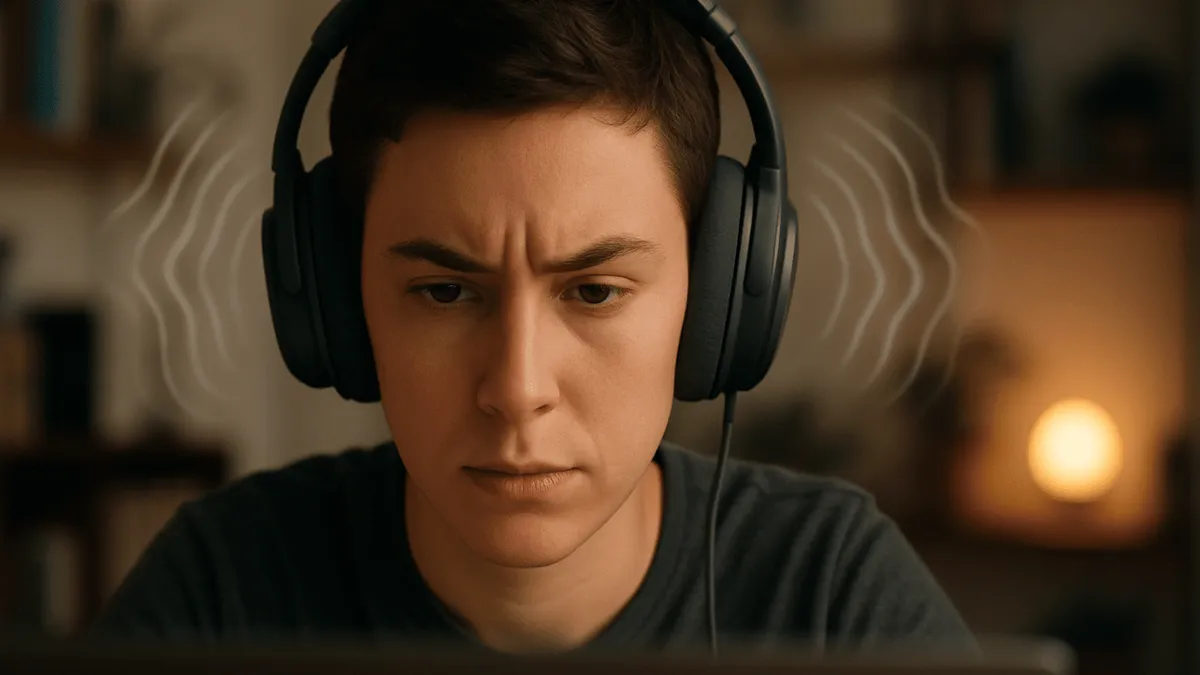
Bottom Line: Soundproofing your remote workspace is not a luxury—it is a ‘Capital Expenditure’ for maximizing your output.
Research shows it takes an average of 23 minutes and 15 seconds to return to a state of deep concentration after just one interruption. Loosing focus 3 times a day means you are hemorrhaging over an hour of pure productivity.
This briefing dismisses “feel-good” solutions and delivers a physics-based protocol for securing a professional noise floor according to your budget.
The Core Concept: Isolation vs. Absorption
From an engineering perspective, sticking foam panels on your wall will NOT stop construction noise or barking dogs from the street.
- Absorption: Reduces internal reverb. It makes your voice sound better in meetings.
- Isolation (Blocking): Rebounds external noise. This requires Mass (Density) and Hermetic Sealing.
You are looking for “Isolation.” This means blocking air and adding weight to your boundaries.
Tier 1: [Budget < $200] Protecting Your Hearing Path
The most immediate ROI comes from Active Noise Cancellation (ANC) technology.
1. Pro-Grade ANC Headphones (Sony / Bose / Apple)
These are essential for continuous, low-frequency environment noise (AC units, humming traffic).
- Pro-Tip: Higher-end models have better algorithms for blocking high-frequency “sudden” sounds like keyboard clicks or neighbor voices.
2. High-Performance Earplugs (MOLDEX, etc.)
An industrial-grade disposable earplug can offer a NRR of 33dB for pennies. They are a reliable backup for “Focus Sprints” when electronic silence isn’t enough.
Tier 2: [$500 - $1,500] Securing Your Primary Aperture (Windows)
80% of urban noise enters through your windows, not your walls. This is your “Primary Vulnerability.”
The “Double-Glazing” Inner Window Strategy
Installing a secondary interior window (like LIXIL Inplus or YKK AP Plamado U).
- Effect: Reduces the external sound pressure level by 15-25dB. It effectively turns a busy street into a distant hum.
- Bonus ROI: Significant reduction in HVAC costs due to superior thermal insulation.
Tier 3: [$5,000+] Architecting a “Focused Sanctuary”
If your family’s voices or your own meeting speech are the primary issues, you need a localized enclosure: the Unit-Type Soundproof Booth.
The 1.0-Tatami “Writer’s Capsule”
- Advantages: Dr-35 rated silence. You can conduct a high-volume Zoom call at 3 AM while your family sleeps next door.
- Resale Asset: High-end Japanese units (Yamaha, Kawai) retain significant resale value. Your net ownership cost over 5 years is often less than a daily coffee.
- Related briefing: “Soundproof Rental vs. Booth Ownership: The ROI Model”
Summary: Focus Your Spend on the Primary Weakness
- “Persistent Ambient Noise” is the enemy → ANC Headphones
- “External Traffic/Construction” is the enemy → Secondary Interior Windows
- “Intra-Home Voices/Meetings” is the enemy → Modular Soundproof Booth
Don’t disperse your budget on “Thick Curtains” or “Foam Tiles.” Identify the single point where sound is breaching your concentration, and invest in a high-density, air-tight solution.