The Legal Limit of Noise | What is 'Reasonable Tolerance'?
How loud is too loud in the eyes of the law? Understanding the concept of 'Junin-Gendo' (Permissible Limit) is crucial for winning noise disputes in court. Learn about the decibel standards, legal precedents, and how to build a case that judges will take seriously.
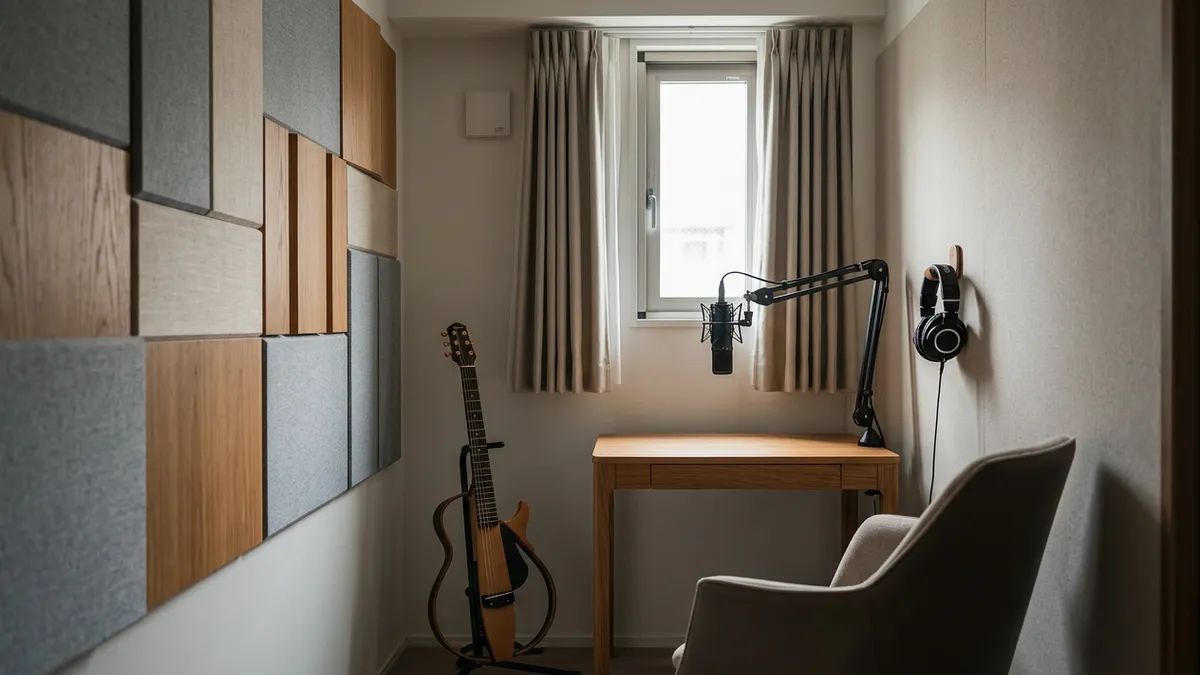
When a noise dispute reaches a stalemate, the final battlefield is often the courtroom.
In Japan, the legal standard for determining if noise is illegal is known as “Junin-Gendo” (受忍限度)—the limit of what a reasonable person should be expected to tolerate.
This article provides a manual for understanding these legal boundaries.
1. What is the “Permissible Limit”?
The law recognizes that living in a society involves some degree of noise. You cannot sue someone for a cough or a soft footstep.
The “Permissible Limit” is exceeded when noise becomes a “significant hindrance to daily life,” considering:
- Noise Level (dB): Usually exceeding 55dB during the day or 45dB at night.
- Duration and Frequency: Is it every day? Is it all night?
- Public Interest: Is the noise from a necessary construction project or just a loud hobby?
- Prior Relationship: Did the victim try to negotiate? Did the perpetrator ignore warnings?
2. Key Legal Precedents
Courts have ruled in favor of victims in several notable cases:
- Piano Noise Case: A neighbor was ordered to pay damages when piano practice exceeded 50dB for several hours every day in a quiet residential zone.
- Floor Impact Noise: Heavy jumping and running by children in the middle of the night has resulted in court-ordered compensation for the downstairs neighbor’s health issues.
3. How to Prepare Your Case
If you intend to take legal action, “I think it’s loud” is not enough.
- Objective Data: Professional noise measurements.
- Medical Records: Evidence of sleep deprivation, stress, or hearing issues caused by the noise.
- Negotiation History: Proof that you asked the neighbor or landlord to help and they failed to act.
Conclusion
Legal action is the ultimate weapon, but it requires thorough preparation. Understanding the “Permissible Limit” helps you decide if your case is worth pursuing or if physical soundproofing is a more practical solution.